Posted on 5/29/2026
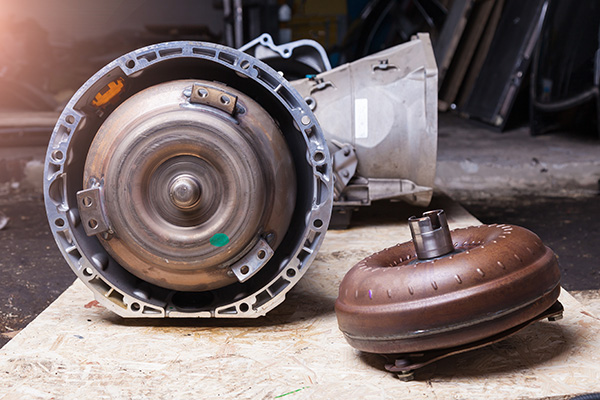
Most drivers never think about what happens between pressing the gas pedal and the car actually moving. In an automatic transmission, one key component that ensures smooth engagement is the torque converter. When it works properly, you do not notice it at all. When it starts to fail, though, the changes can feel confusing and inconsistent. Understanding what the torque converter does helps explain why certain transmission symptoms show up and why they should not be ignored. How the Torque Converter Connects the Engine to the Transmission Unlike manual transmissions, which use a clutch, automatic transmissions rely on a torque converter to transfer power. It sits between the engine and the transmission and uses fluid instead of direct mechanical contact. When the engine spins, the torque converter uses that motion to move transmission fluid, which then transfers po ... read more
Posted on 5/4/2026
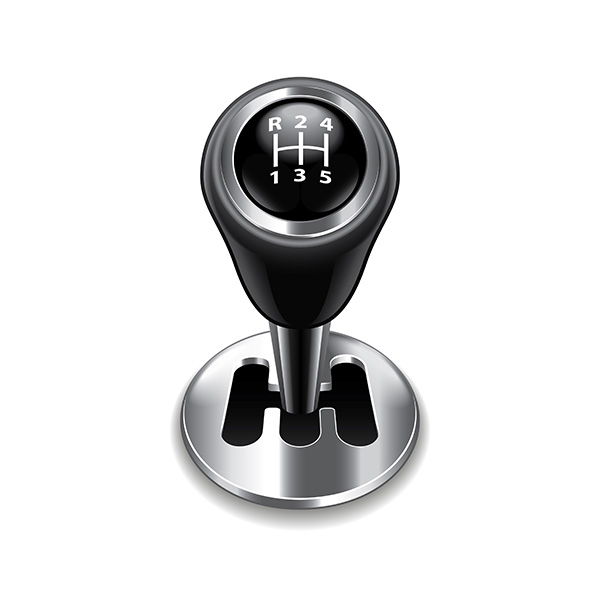
A hard-to-move gear shifter gets your attention fast. Some drivers notice it first thing in the morning. Others feel it when trying to shift out of Park, move into Reverse, or slide the lever through the normal gear positions. The car may still run fine, which makes the problem feel confusing at first. The shifter is not supposed to fight you. When it does, something in the shift system, brake interlock, linkage, or transmission side needs a closer look. Why A Stiff Shifter Should Not Be Ignored A gear shifter works through a chain of connected parts. The lever itself has to move freely. The brake interlock has to be released correctly. The cable or linkage has to transfer that movement, and the transmission side has to respond the way it should. If one part starts binding, sticking, or falling out of adjustment, the driver feels it right away. That is why a stiff shifter is not just an inconvenience. It is a sign that one part of the system is no longer moving as ... read more