Posted on 8/28/2026
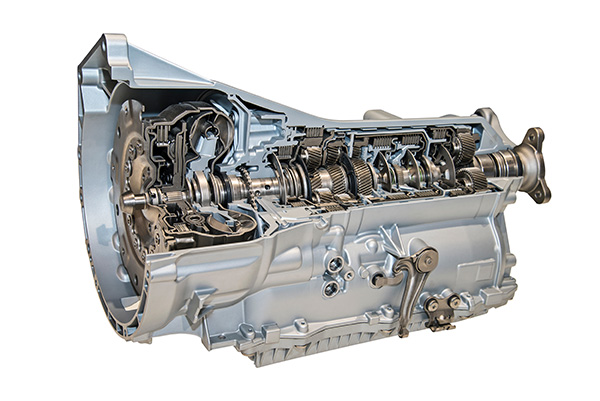
Transmission solenoids control the movement of fluid through an automatic transmission. They open and close hydraulic passages so the transmission can apply the correct clutches, select gears, regulate pressure, and manage torque converter operation. When a solenoid sticks, loses electrical control, or becomes restricted by contaminated fluid, the vehicle may shift harshly, remain in one gear, hesitate before moving, or trigger a warning light. These symptoms can feel like complete transmission failure, but the cause may be limited to a solenoid, wiring fault, valve body problem, or fluid pressure concern. What Transmission Solenoids DoAn automatic transmission uses hydraulic pressure to apply internal clutch packs and bands. The transmission control module sends electrical commands to solenoids inside or near the valve body. Each solenoid changes fluid ... read more
Posted on 7/31/2026
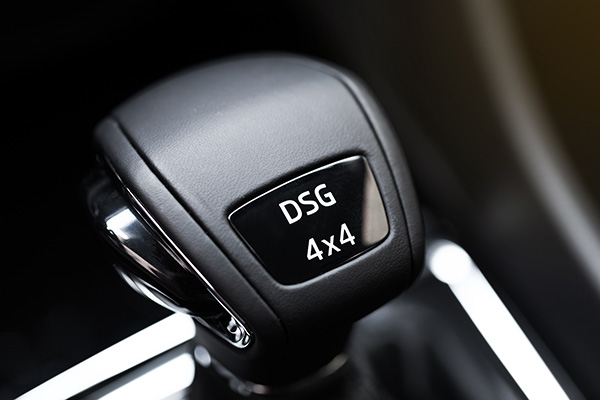
DSG transmission shuddering can feel strange because it often happens during the slowest, easiest driving. The vehicle may feel fine on the highway, then shake, chatter, or hesitate when creeping through traffic, pulling into a parking spot, or accelerating gently from a stop. That low-speed shudder can come from several areas. A DSG transmission uses clutch packs, hydraulic control, electronics, sensors, fluid pressure, and software strategy to shift quickly and efficiently. When one part of that system is worn, contaminated, out of adjustment, or reacting to another problem, the vehicle can feel rough at low speeds even before a major failure happens. How A DSG Transmission Works A DSG transmission is a dual-clutch transmission. Instead of a traditional automatic with a torque converter, it uses two clutch systems to manage odd and even gears. One clutch can prepare the next gear while the other is still driving the vehicle. That design allows fast shifting, but ... read more
Posted on 6/26/2026

Drivers hear 4x4 and AWD used almost like they mean the same thing. Both can power more than two wheels, and both can help a vehicle find traction when the road is loose, wet, snowy, or uneven. That is where the similarity starts, but it is not where the story ends. The difference comes down to how the system is built, when it sends power, and what kind of driving it was designed to handle. Knowing that difference helps you use the vehicle correctly, service it properly, and avoid damage caused by treating one system like the other. What 4x4 Means A 4x4 system, also called four-wheel drive, is built for tougher traction situations. You will find it on many trucks, SUVs, and off-road-focused vehicles. It sends power to the front and rear wheels through a transfer case, which helps the vehicle pull through mud, snow, sand, gravel, steep trails, and low-traction work sites. Many 4x4 systems are part-time, meaning the driver has to select the mode. You might see 2H, 4H ... read more
Posted on 5/29/2026
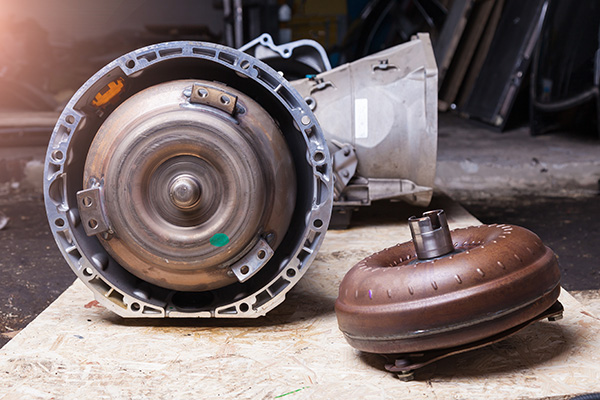
Most drivers never think about what happens between pressing the gas pedal and the car actually moving. In an automatic transmission, one key component that ensures smooth engagement is the torque converter. When it works properly, you do not notice it at all. When it starts to fail, though, the changes can feel confusing and inconsistent. Understanding what the torque converter does helps explain why certain transmission symptoms show up and why they should not be ignored. How the Torque Converter Connects the Engine to the Transmission Unlike manual transmissions, which use a clutch, automatic transmissions rely on a torque converter to transfer power. It sits between the engine and the transmission and uses fluid instead of direct mechanical contact. When the engine spins, the torque converter uses that motion to move transmission fluid, which then transfers po ... read more
Posted on 5/4/2026
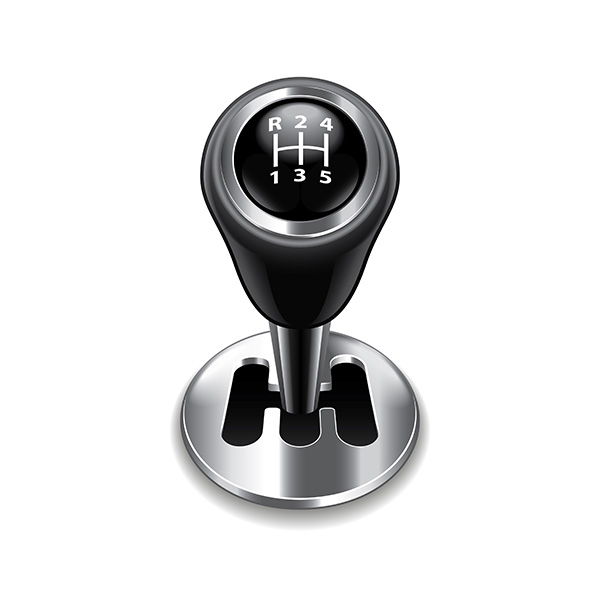
A hard-to-move gear shifter gets your attention fast. Some drivers notice it first thing in the morning. Others feel it when trying to shift out of Park, move into Reverse, or slide the lever through the normal gear positions. The car may still run fine, which makes the problem feel confusing at first. The shifter is not supposed to fight you. When it does, something in the shift system, brake interlock, linkage, or transmission side needs a closer look. Why A Stiff Shifter Should Not Be Ignored A gear shifter works through a chain of connected parts. The lever itself has to move freely. The brake interlock has to be released correctly. The cable or linkage has to transfer that movement, and the transmission side has to respond the way it should. If one part starts binding, sticking, or falling out of adjustment, the driver feels it right away. That is why a stiff shifter is not just an inconvenience. It is a sign that one part of the system is no longer moving as ... read more