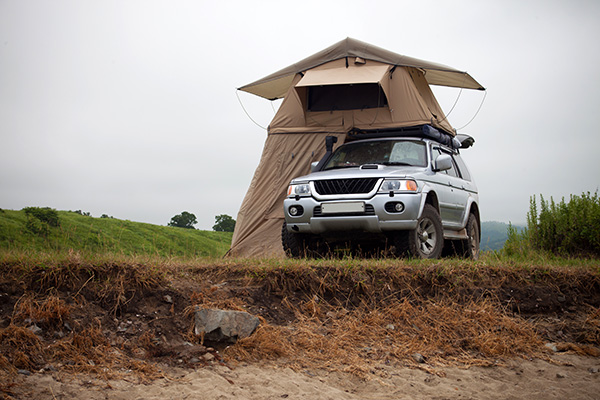
A weekend camping trip sounds relaxing, but if you’re towing a trailer, driving up steep hills, or spending time in stop-and-go traffic, your transmission might not be having such a good time. Fall temperatures may feel mild, but transmission heat builds quickly under load, especially when your vehicle is working harder than usual. Without proper maintenance and preparation, a scenic fall getaway could end with a breakdown on the side of the road.
Whether you’re driving an SUV, truck, or crossover, knowing how to protect your transmission during demanding trips is key to keeping it running smoothly long after the campfire goes out.
The Role of Transmission Fluid in Temperature Control
Transmission fluid does more than lubricate moving parts. It also cools the transmission by carrying heat away from internal components. When fluid gets old or low, it loses its ability to manage heat. That makes it more likely your transmission will overheat when under stress.
Before your trip, check the fluid level and color. Healthy transmission fluid is usually bright red or pink and has a clean, slightly sweet smell. If it looks dark or smells burnt, it’s time for a replacement. Many manufacturers recommend fluid changes every 30,000 to 60,000 miles, but that interval shortens when towing or driving in harsh conditions.
What Happens When a Transmission Overheats
Most automatic transmissions operate best between 175 and 200 degrees Fahrenheit. When temperatures rise above that range, the fluid begins to break down. As the fluid degrades, it provides less protection, and internal parts like clutches and seals begin to wear faster.
Common symptoms of an overheating transmission include:
- Slipping gears
- Delayed shifts
- Burning smells
- Warning lights or error codes
- Sudden loss of power
If ignored, overheating can lead to permanent damage or complete transmission failure, which is one of the most expensive repairs a vehicle can face.
Towing and Extra Weight Add Stress
Heading out with a camper, gear, or a rooftop tent? That extra weight forces your engine and transmission to work harder. Towing puts more pressure on internal parts and creates additional heat, especially when climbing hills or driving on unpaved roads. If your vehicle is not rated for the load you’re hauling, the risk of overheating goes up dramatically.
Even if you’re not towing a full trailer, carrying extra weight in the cargo area can affect transmission performance. Take a look at your owner’s manual for payload and towing guidelines, and don’t exceed them. If you frequently tow, consider adding an auxiliary transmission cooler to help manage heat more effectively.
Driving Habits That Contribute to Overheating
How you drive can make a big difference. Some habits put your transmission under unnecessary strain. Common examples include:
- Riding the brakes on downhill slopes
- Accelerating aggressively from a stop
- Ignoring regular maintenance
- Towing in overdrive instead of using the correct gear
On long drives through rural or mountainous areas, give your transmission a break by slowing down and using lower gears when appropriate. If you feel the transmission slipping or notice a change in how it shifts, pull over and let the vehicle cool before continuing.
How to Prepare Your Transmission Before a Trip
Preparation is key when planning any extended drive with extra weight or terrain challenges. Schedule a transmission inspection to check fluid levels, pan gasket condition, filter cleanliness, and any potential leaks. Small problems caught early can prevent major failures on the road.
If your vehicle has over 60,000 miles and the transmission has never been serviced, it may be time for a fluid and filter change. Keep in mind that certain vehicles use sealed transmissions, so checking or changing the fluid requires special tools and training.
Manual Transmissions Need Attention Too
If you drive a manual, you’re not off the hook. Clutches wear down with use, and heavy loads can accelerate that process. If your clutch slips under load or feels spongy, it’s a sign that something isn’t right. Make sure to have it inspected before heading out.
Also, check the gear oil in manual transmissions. This fluid also provides lubrication and cooling, though it’s often forgotten during regular service.
Bring Backup for Remote Travel
If your fall adventure takes you far from help, consider bringing a few essentials for peace of mind. These include:
- Extra transmission fluid (the correct type for your vehicle)
- A funnel and rags
- A scan tool or code reader
- Emergency contact info for a nearby repair shop
A little preparation can save you a lot of stress if something goes wrong miles from the nearest town.
Visit Transmission Hero in Orange Park, FL, Before You Hit the Road
Whether you're towing, climbing hills, or just taking the long scenic route, your transmission works hard to get you there. At Transmission Hero in Orange Park, FL, we can inspect your fluid, check for hidden problems, and make sure your transmission is ready for whatever your trip throws at it.
Don’t wait for signs of trouble. Stop in today for a pre-trip check and hit the road with confidence.