A limited-slip differential is one of those features people hear about after they’ve already had a traction scare. It gets mentioned in truck forums, performance chats, and snowy-weather advice, yet most drivers are not sure what it actually changes. The confusing part is that your car can feel totally fine for years, even if traction is not being shared the best way.
Once you understand what it’s doing in the background, a lot of handling and traction behavior starts to click.
Why One Tire Spins When You Need Grip
A standard open differential lets the left and right wheels rotate at different speeds, which is necessary for turning. The downside is that when one tire loses grip, it can take most of the power, and the tire with better traction does not get much help. That is why you can end up stuck with one wheel spinning on wet pavement, gravel, or uneven surfaces.
This shows up in more places than people expect. A steep driveway, a slick intersection, or a patch of sand can be enough to make an open differential feel helpless. The situation often feels random from the driver’s seat because it depends on how traction is split at that moment.
How A Limited-Slip Differential Works
A limited-slip differential is designed to limit how much speed difference there can be between the two drive wheels when traction is low. Instead of letting all the power flow to the tire that is slipping, it transfers some of that power to the tire that still has grip. The goal is not to lock both wheels solid all the time, it is to share torque when one side cannot use it.
Different designs do this in different ways, but the effect is similar. You get a stronger chance of moving forward without one tire doing all the spinning. In the right conditions, it can feel like the car simply goes where you point it, instead of fighting for traction.
Common LSD Types And How They Feel
Clutch-type limited-slip units use friction plates to help couple the two axle shafts when slip occurs. They can be very effective, but they may feel different over time as the clutches wear. Some drivers notice chatter in tight turns when the fluid is old or the unit is set up aggressively.
Gear-type designs, often referred to as torque-biasing, use internal gears to send torque to the wheel with more grip. They tend to feel smooth and predictable, especially for street driving. Viscous units use fluid resistance to reduce slip, and they can feel subtle, but the response can vary with heat and age.
What You’ll Notice In Everyday Driving
Most of the time, you will not notice an LSD doing anything dramatic. In straight-line driving on dry pavement, it behaves quietly in the background. Where it becomes noticeable is when traction is uneven, like one tire on wet paint and the other on asphalt.
You might feel less wheel spin pulling away from a stop in the rain, or fewer moments where the car hesitates to move on loose surfaces. In some vehicles, turning tightly in a parking lot can feel a little different, depending on the LSD type and how it is set up. If you notice a new grabbing sensation in slow, tight turns, that is worth paying attention to.
When LSD Helps Most
An LSD shines when traction is split side to side. Think one tire on gravel and one on pavement, or one tire on snow and one on a cleared track. It can also help when you are accelerating out of a corner, because it reduces the chance of the inside tire spinning away the power.
For trucks and SUVs, it can be a big help on boat ramps, dirt roads, and uneven driveways. For performance-oriented cars, it can improve stability and drive feel when you lean into the throttle. It does not replace good tires, though, and it does not guarantee perfect traction in every scenario.
Care Tips And Warning Signs
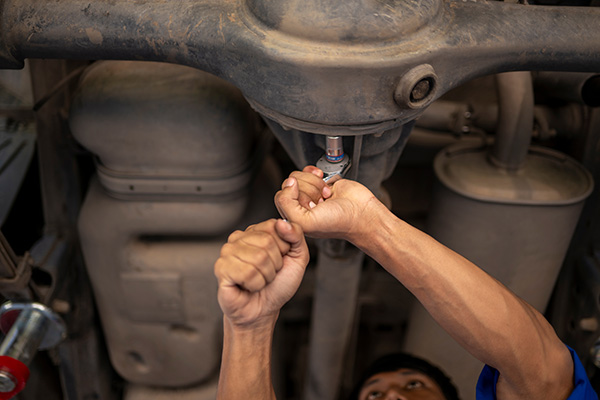
Limited-slip differentials do best when the correct fluid is used and the unit is kept in good condition. Some units require friction modifier additives, and some do not, so it matters to match the service to the hardware. This is a great place where regular maintenance keeps the feature working like it should instead of slowly fading.
If you are wondering whether your differential needs attention, these signs are worth checking:
- Chatter or shudder in slow, tight turns that was not there before
- A clunk when shifting from drive to coast that repeats consistently
- Leaks at the axle seals or differential cover area
- Burnt-smelling differential fluid or fluid that looks unusually dark
- One tire spinning easily again in situations where it used to hook up better
A quick inspection can confirm whether the fluid level is right and whether there is a leak starting. It can also help distinguish differential behavior from tire issues or brake-based traction control. We’ve seen drivers replace tires chasing traction when the real issue was old differential fluid and a small leak.
Get Limited-Slip Differential Service In Orange Park, FL, With Transmission Hero
If you want your differential checked and serviced the right way, Transmission Hero in Orange Park, FL, can verify what type you have, confirm the correct fluid, and help you keep traction working the way it was designed to.
Schedule a visit and get a clear plan for your drivetrain.