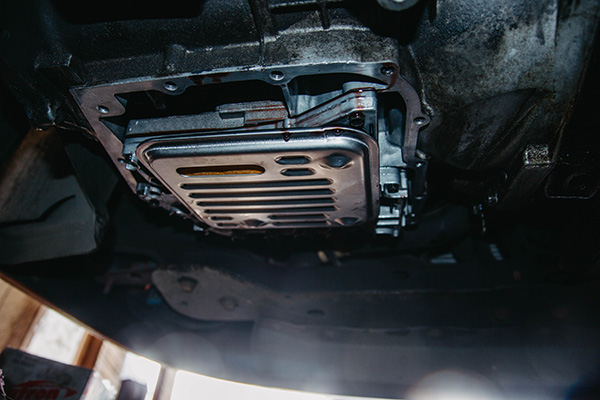
Finding metal in a transmission pan can sound like an immediate reason to replace the transmission. The picture is more complicated. A small amount of fine material may be expected for a particular unit. At the same time, distinct chips, heavy accumulation, or debris paired with poor operation can point to a more serious concern.
Pan inspection is one part of understanding the transmission’s condition. Consider the amount, texture, and type of material alongside service history, symptoms, and the manufacturer’s guidance. A photograph of a dirty magnet alone can't determine the repair every vehicle needs.
Transmission Pan Magnets Collect Certain Wear Particles
Many transmission pans contain magnets intended to capture ferrous particles from normal operation. Fine particles can collect into a soft paste or fuzzy-looking deposit. On some units, that accumulation may look more alarming than it actually is, particularly when viewed before the material’s texture is examined.
Expected findings vary by transmission design, mileage, and time since the last service. A small deposit is not a universal pass, and visible material is not a universal failure. The technician should compare what is found with guidance for that unit rather than applying a rule developed for a different transmission.
Large Transmission Debris Can Suggest Abnormal Wear
Distinct chips, flakes, fragments, or an unusually heavy amount of metallic material deserve closer investigation. A piece may have come from a damaged bearing, gear, or another internal component, but appearance alone usually cannot identify the exact source. The transmission’s operating symptoms help determine which assemblies need further checks.
A unit that slips, makes a new noise, or loses movement presents a different situation from one receiving routine fluid service with no complaints. Material that appears soon after a repair also needs context. The technician should document the findings and explain what additional evidence is needed before recommending a rebuild or replacement.
Not All Transmission Debris Sticks to a Magnet
A magnet does not collect every material that can circulate in fluid. Nonferrous metal and friction material may remain elsewhere in the pan or filter. Inspecting only the magnet can therefore miss useful evidence. Consider the fluid, pan deposits, and filter condition together where the design permits access.
Color can offer clues, but it is not a reliable way for an owner to name a failed part. Aluminum, copper-colored material, and dark friction debris can come from different sources. A transmission uses several components with similar materials, so identifying the source may require operating tests or internal inspection.
Fluid Condition and Transmission Symptoms Add Context
Fluid that smells overheated or looks discolored can suggest excessive heat or contamination, but color changes alone don't indicate remaining life. You should also review the correct fluid type, level, and service history. Low fluid from a leak can affect operation without creating an obvious pile of metal in the pan.
Stored fault information, operating pressures (where applicable), and control-system data can help connect the complaint to mechanical behavior. The technician may need to evaluate the torque converter, clutch operation, or valve-body function. Pan findings support that process; they do not replace it or prove that every internal component has failed.
Transmission Pan Service Has Design-Specific Limits
Not every transmission has a removable service pan or an easily replaced filter. Some filters are integrated into the pan, while others are located internally. Fluid-level checks may require a particular temperature and operating sequence. Follow the procedure for the transmission actually installed in the vehicle.
Cleaning a pan and replacing fluid can remove collected material, but it cannot restore worn gears, bearings, or clutch surfaces. If significant debris is present, ask whether routine service is appropriate or whether further inspection is needed first. Don't present a generic flush as a way to erase evidence of internal damage.
Transmission Repair Decisions Need More Than a Pan Photo
Ask the shop to explain the amount and nature of the debris, the symptoms it agrees with, and the tests supporting the proposed repair. If continued driving could increase damage or cause a loss of drive, discuss that. A clear recommendation distinguishes expected wear material from findings that change the vehicle’s repair options.
Keep records of earlier services and repairs, especially if the concern began afterward. The history can reveal whether the correct fluid was used, whether a leak has returned, or whether the symptom is new. Combined with the pan inspection, those details help make a repair decision more specific than simply declaring that metal means a new transmission.
Get Transmission Pan and Fluid Inspection in Orange Park, FL, With Transmission Hero
If your transmission slips, shifts differently, or has concerning material in its fluid, Transmission Hero in Orange Park, FL, can review the symptoms and inspect the unit as appropriate. We can explain the pan findings, the limits of routine service, and the additional checks needed to understand the repair choices.
Contact us to schedule a transmission inspection and bring your recent service history.