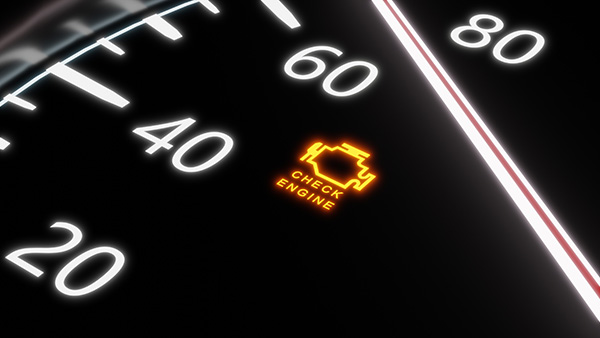
When a transmission goes into limp mode, it can feel like the car suddenly slows down and becomes stubborn. You press the gas, and it responds, but it won’t shift the way it normally does, and the power feels limited. Sometimes it happens right after a hard merge, sometimes after a long drive, and sometimes during a random errand run.
Limp mode is frustrating, but it’s usually the vehicle trying to prevent a smaller fault from turning into expensive internal damage.
What Limp Mode Feels Like From The Driver’s Seat
Most drivers notice one of two things first. Either the vehicle feels stuck in one gear, or it shifts in a way that feels wrong, harsh, delayed, or both. You may also notice the engine revs higher than usual because the transmission is not moving through gears normally.
In some cars, the throttle response feels muted, like the computer is holding the vehicle back. That’s not your imagination. The powertrain system often limits torque on purpose when it’s worried about the transmission’s ability to handle load safely.
What Limp Mode Is Trying To Protect
A modern transmission depends on the right fluid pressure at the right time. It also depends on accurate sensor signals that tell the computer the speed of the input and output shafts, the commanded gear, and the amount of slip. If the computer sees pressure control problems, overheating, or a sensor reading that doesn’t add up, it may limit operation to reduce heat and stress.
Think of limp mode as a protective strategy, not a diagnosis. It’s the system saying it cannot guarantee normal operation right now. Sometimes the cause is electrical or sensor related. Other times it’s mechanical wear that’s starting to show up under load.
Common Triggers That Put A Transmission Into Limp Mode
There are a handful of issues that show up again and again during transmission diagnostics. Some are simple, some are not, and the symptoms can overlap, which is why testing matters.
- Low or degraded transmission fluid that cannot maintain stable pressure
- Overheating, especially after heavy traffic driving, towing, or long highway runs
- Input or output speed sensor faults that confuse gear ratio calculations
- Solenoid or valve body issues that disrupt pressure control and shift timing
- Wiring or connector problems that cause signal dropouts
- Torque converter clutch problems that create slip and excess heat
We also see cases where the transmission is reacting to an engine side problem. If the engine is misfiring or producing inconsistent torque, the powertrain system may limit operation because it cannot control shifting the way it expects to.
Symptom Timeline: What Starts Small And Gets More Obvious
Limp mode often has a buildup phase, even if it feels sudden when it finally happens. Early on, you might notice an occasional harsh shift, a delayed downshift, or a brief flare where RPM rises more than it used to between gears. Some drivers also feel a shudder at steady speed, especially when the torque converter clutch is trying to engage.
As the issue progresses, the transmission may start shifting inconsistently. One day it feels normal, the next day it hesitates when you pull away, or it holds a gear longer than usual. Eventually, the computer sees something it considers risky, and limp mode shows up, sometimes along with warning lights.
Owner Mistakes That Make Limp Mode More Expensive
The biggest mistake is continuing to drive it hard once it happens. If the transmission is protecting itself from slip or overheating, extra throttle usually adds heat and wear. Another mistake is clearing codes immediately. Those stored codes and the freeze frame data are useful because they show what the vehicle was doing when limp mode triggered.
A common money trap is guessing parts based on a generic code description. A pressure control code does not automatically mean a solenoid is bad, and a ratio code does not automatically mean the transmission is failing internally. We prefer to confirm fluid condition, verify sensor signals, and test pressure control behavior before calling the next step.
A Practical Decision Mini-Guide For Driving After Limp Mode
If the vehicle still moves and the symptoms are mild, you can usually drive carefully to a shop. Keep speeds moderate, avoid heavy acceleration, and avoid situations that load the drivetrain hard, like steep hills or towing. If you notice a burning smell, slipping that gets worse with throttle, or repeated attempts to shift that feel harsh, reduce driving and get it checked sooner.
If you see a red warning, fluid is leaking onto the ground, or the vehicle suddenly will not engage Drive or Reverse reliably, it’s safer to stop and arrange help. The goal is to prevent a small fault from turning into internal clutch damage.
After The Fix Care That Helps It Stay Fixed
Once the root cause is addressed, a few habits can help keep the transmission happy. Stay on schedule with the correct fluid service, using the proper fluid specification, because the wrong fluid can create pressure and shift issues. If your driving is mostly short trips, consider that the transmission may not fully warm up often, and old fluid tends to show its age faster in that kind of use.
It also helps to pay attention to early shift changes after the repair. If you notice renewed hesitation, shudder, or strange shift timing, don’t wait for limp mode to return. We’ve seen cases where a small leak or a minor electrical issue started the whole chain, and catching the early clue prevents the repeat.
Get Transmission Limp Mode Diagnostics in Orange Park, FL with Transmission Hero
If your vehicle has gone into limp mode, we can run proper transmission diagnostics, verify the codes and data, and test the systems involved so the repair is based on evidence instead of guesswork. We’ll explain what the testing shows, then use that information to build a clear diagnosis and repair plan.
Get transmission limp mode diagnostics in Orange Park, FL with Transmission Hero, and we’ll help you get back to smooth, confident shifting.