Knowing the repair price is only part of planning around a transmission rebuild. You need to know how long the car will be unavailable too. A realistic timeline starts with what has failed, which parts are available, and when the shop can begin the work, not simply the day the car arrives.
A Straightforward Transmission Rebuild Often Takes 3–5 Days
For a straightforward rebuild, 3–5 working days is a standard planning timeframe when the required parts are available, and there isn't major internal damage complicating the job. That window refers to the work once it is underway. Scheduling, an initial inspection, and approval time can add to the total time the vehicle is at the shop.
Before removal, we need to confirm that the complaint calls for internal transmission work. A wiring fault, fluid leak, or control problem might need a different repair. Once rebuilding is the agreed route, the timeline includes removing the transmission, opening it, rebuilding it, reinstalling it, and testing the finished job.
What Happens After the Transmission Is Removed
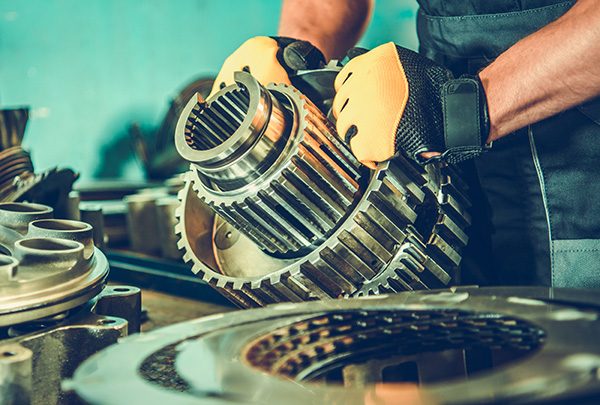
Disassembly lets us see damage that a road test or scan can't show. Worn friction materials, seals, bearings, and hard parts need checking against the transmission's repair information. The housing and reusable parts are cleaned, and the rebuilding plan is confirmed from what is actually inside.
A complete rebuild doesn't mean every metal part is automatically replaced. It means we dismantle and inspect the unit, addressing worn and required service parts throughout the job. A damaged shaft, planetary assembly, or housing adds work beyond routine wear items. Those findings can change both the parts order and the expected finish date.
Parts Availability Is One of the Biggest Timing Variables
A common seal and friction kit can be easier to obtain than a specific valve body, control assembly, or damaged hard part. The exact transmission version counts, since units that look similar can use different internal parts and programming. Ordering against the vehicle information and unit identification avoids fitting parts that aren't correct for the application.
Some jobs need a torque converter rebuilt or replaced, or another assembly sourced through a specialist supplier. A part listed in a catalog isn't necessarily ready for same-day delivery. Once availability is confirmed, we can give a more grounded update on when assembly and installation can continue. An approval delay pauses the job too, so make sure we have a reliable way to reach you while the transmission is apart.
Contamination and Related Repairs Can Add Time
Internal damage can send debris through the fluid passages and into the cooler circuit. That debris needs dealing with before the rebuilt transmission goes back into service. Cooler and line cleaning or replacement follows the manufacturer's requirements. Leaving contamination behind risks damaging the repaired unit.
Removal can reveal other problems too, such as damaged mounts, leaking seals nearby, or fasteners that won't come apart normally. Those aren't reasons to add unapproved work. They are reasons to explain the finding, show the extra work involved, and agree on the next step. A short pause for that discussion is better than a surprise when the car is collected.
Reinstallation Isn't the End of Transmission Rebuilding
The fluid has to meet the correct specification and be set to the required level under the listed conditions. Certain vehicles need programming, adaptation, or a controlled relearn after repair. Those procedures vary, and they can require temperature and operating conditions that take time to reach.
We check engagement, shifting, leaks, and the relevant operating data, then road-test the vehicle as required. A remaining problem needs to be followed through before delivery. Rushing that stage to match an earlier estimate can leave the customer doing the final testing on the way home. The schedule needs room for the checks that show the rebuild is ready to use.
Questions That Help You Plan the Rebuild Timeline
Before leaving the vehicle, ask:
- When the initial testing and removal can begin
- Which parts are already available
- What internal findings could change the timeframe
- How additional work will be approved
- When you should expect the next progress update
- What testing is included before collection
Keep the arrival date, work start date, and expected completion date separate in that conversation. If you need the car for a particular trip, say so before authorizing the rebuild. Parts delays and hidden damage aren't always avoidable, but clear updates let you make transportation plans with the information available. A finish date becomes firmer after disassembly and parts confirmation.
Get Transmission Repair In Orange Park, FL, With Transmission Hero
Transmission Hero in Orange Park, FL, can review your shifting complaint and explain the work and timing involved in a rebuild. Bring any earlier repair records or scan results with you.
Discuss your transportation plans when arranging the visit so the expected timeline is clear from the start.