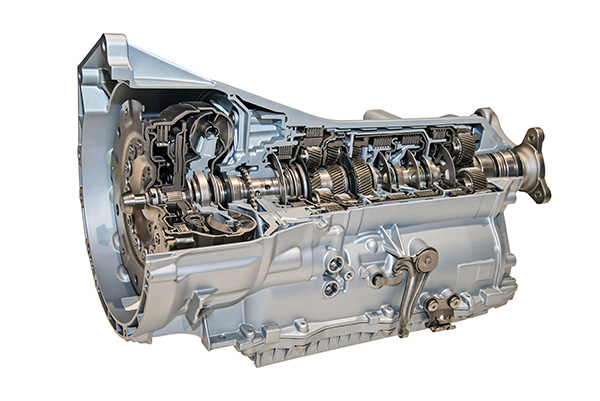
Transmission solenoids control the movement of fluid through an automatic transmission. They open and close hydraulic passages so the transmission can apply the correct clutches, select gears, regulate pressure, and manage torque converter operation.
When a solenoid sticks, loses electrical control, or becomes restricted by contaminated fluid, the vehicle may shift harshly, remain in one gear, hesitate before moving, or trigger a warning light. These symptoms can feel like complete transmission failure, but the cause may be limited to a solenoid, wiring fault, valve body problem, or fluid pressure concern.
What Transmission Solenoids Do
An automatic transmission uses hydraulic pressure to apply internal clutch packs and bands. The transmission control module sends electrical commands to solenoids inside or near the valve body. Each solenoid changes fluid flow according to vehicle speed, throttle position, engine load, brake input, and the requested gear.
Some solenoids control specific shifts, while others regulate line pressure or torque converter clutch operation. Many modern transmissions use integrated solenoid assemblies containing several valves, pressure sensors, and electronic components. Accurate testing must identify which circuit is affected and whether the electrical command produces the expected hydraulic response.
1. Harsh Or Abrupt Shifting
A pressure-control solenoid that sticks or responds incorrectly can allow hydraulic pressure to rise too high. The transmission may then engage a gear with a hard jolt rather than a controlled application.
Harsh shifts may occur between specific gears or during nearly every gear change. Drivers may also feel a strong impact when selecting Drive or Reverse. Low fluid, incorrect fluid, valve body wear, adaptive shift values, engine performance faults, and damaged mounts can create similar symptoms, so solenoid replacement should never be based on shift feel alone.
2. Delayed Engagement Into Drive Or Reverse
When the transmission takes several seconds to engage after the shifter is moved, fluid pressure may not be reaching the required clutch quickly enough. A sticking solenoid can delay the hydraulic circuit responsible for forward or reverse engagement.
Internal seal wear, low fluid level, filter restriction, worn pumps, or valve body leakage can produce the same delay. Increasing engine speed while waiting for engagement can cause a severe impact when the clutch finally applies. The safest approach is to keep engine speed low and arrange testing before internal wear increases.
3. The Transmission Stays In One Gear
A control fault may cause the transmission to enter a protective operating mode commonly called limp mode. The system selects a limited gear, often second or third, to reduce further damage and allow the vehicle to be moved a short distance.
In this mode, acceleration may feel weak, engine speed may remain unusually high, and manual shift commands may not work. The dashboard may display a transmission warning or check engine light. A failed solenoid can trigger this response, but so can speed sensor faults, wiring damage, low system voltage, overheating, or internal clutch slip.
4. Missing, Flared, Or Erratic Shifts
A flare occurs when engine speed rises during a gear change because the releasing clutch lets go before the next clutch applies fully. Solenoid trouble can disturb the timing or pressure of that shift.
The vehicle may also skip a gear, shift back and forth unexpectedly, or refuse an upshift. These symptoms require prompt attention because repeated clutch slip creates heat and removes friction material from internal components. What begins as a control problem can become internal transmission damage if the vehicle continues operating under load.
5. Torque Converter Clutch Problems
The torque converter clutch connects the engine and transmission more directly during steady driving. This reduces heat and improves fuel economy. A dedicated solenoid usually controls when the clutch applies and releases.
A faulty control circuit may cause shuddering at cruising speed, engine stalling as the vehicle stops, repeated lockup and release, or higher-than-normal engine speed on the highway. Converter shudder can also come from degraded fluid, internal converter wear, engine misfires, or driveline vibration. Road testing and scan data help separate these conditions.
Why Solenoid Fault Codes Need Further Testing
A stored fault code identifies the circuit or operating condition that the control module detected. It does not automatically prove that the solenoid itself has failed. An open wire, poor connector contact, low voltage, hydraulic restriction, or valve body leak can set the same code.
Testing may include:
- Checking fluid level and condition
- Scanning transmission and engine control modules
- Reviewing commanded gear and actual gear
- Monitoring input and output speed sensors
- Measuring solenoid resistance
- Testing power, ground, and control circuits
- Commanding solenoids with a scan tool
- Checking hydraulic pressure
- Inspecting the valve body and internal harness
The results show whether the problem is electrical, hydraulic, mechanical, or a combination of several faults.
Fluid Condition Can Affect Solenoid Operation
Solenoids contain precisely fitted valves and small fluid passages. Contaminated or degraded transmission fluid can leave varnish and debris that restrict movement. Metal particles or clutch material may also enter the valve body when internal wear is present.
The fluid must meet the exact specification required by the transmission. Using an incompatible product can alter shift quality and clutch operation. The level must also be checked through the correct temperature-based procedure, especially on transmissions without a dipstick.
Regular maintenance can reduce contamination, but a fluid service cannot repair a burned clutch, damaged valve body, or failed electrical component. An inspection of the fluid pan and filter may reveal debris that changes the repair recommendation.
Can A Solenoid Be Replaced Without Rebuilding The Transmission?
In many transmissions, solenoids can be replaced without removing or rebuilding the entire unit. Access may require removing the fluid pan, filter, valve body, or side cover. Other designs use a complete solenoid body that must be programmed or calibrated after installation.
A solenoid repair is appropriate only when testing confirms that the surrounding hydraulic and mechanical components are still serviceable. If the fluid contains heavy metal debris, multiple clutches are slipping, or pressure loss is due to internal wear, replacing one solenoid will not restore proper operation.
Get Transmission Solenoid Testing In Orange Park, FL, With Transmission Hero
Transmission Hero in Orange Park, FL, can test shift solenoids, pressure-control circuits, wiring, fluid condition, valve body operation, and internal transmission performance.
Contact us to schedule service when your vehicle shifts harshly, delays engagement, remains in one gear, or displays a transmission warning.